
10 signs a parent may need help at home, spotted on a holiday visit
Home for the holidays? What to quietly look for in the kitchen, mail and car, and how to start the conversation without a fight.
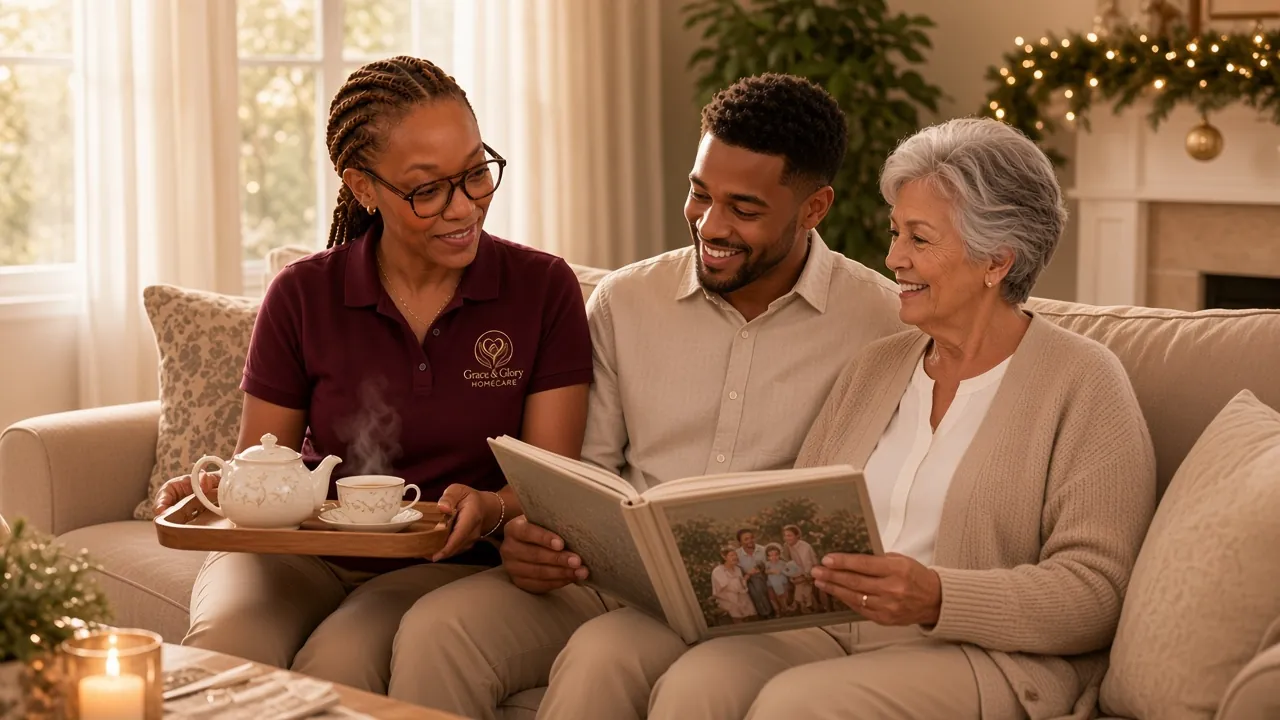
Holidays are often the first time in months that adult children spend a few full days in a parent's home. Phone calls sound fine; the house tells a fuller story. Here is what to look for, quietly and without turning the visit into an inspection.
10 signs worth noticing
- The fridge and pantry. Expired food, very little fresh food, or the same frozen meal over and over.
- The mail. Stacks of unopened envelopes, late notices, or new subscriptions and charity requests they don't remember.
- The house. Dishes, laundry or clutter piling up in a home that used to be kept a certain way.
- Weight and appetite. Clothes fitting looser, or skipped meals because cooking feels like too much.
- The car. New dents or scrapes, or a parent who has quietly stopped driving and now misses errands.
- Getting around. Holding onto furniture, avoiding stairs, or bruises they can't explain. Mention falls to their doctor.
- Social life. Dropping church, clubs, or friends; long days with no one to talk to.
- Mood. More withdrawn, irritable or anxious than usual.
- Plants and pets. Wilted plants or a pet that isn't being fed or walked on schedule.
- Repeat stories or missed plans. Forgetting a planned dinner or asking the same question often. Raise memory concerns with a doctor.
How to start the conversation
- Pick a calm moment, not the middle of a family dinner.
- Say what you noticed and why you care: "I saw the mail piling up, and I worry when I'm back home."
- Ask what would help most. Many parents accept help with errands, meals or company before anything else.
- Suggest a small trial, such as two visits a week, and review it together after a month.
- Agree on a local point person and how the family will hear about visits.
Before you fly home
Use our free Brevard Family Caregiver Checklist to note what you saw, and read caring for a parent in Brevard from far away. If companionship, meals, errands or light housekeeping would help, book a free consultation or call (321) 985-2899. Every Grace and Glory caregiver is background-checked. Our help is non-medical; we do not provide personal care or medication reminders.
Questions families ask
1. What are the first signs an elderly parent needs help at home?
Common early signs include spoiled or very little food in the fridge, piles of unopened mail or late-payment notices, a home that is less tidy than usual, weight loss, missed social plans, and new dents or scrapes on the car.
2. How do I bring up getting help without upsetting my parent?
Lead with what you noticed and how you feel, not a diagnosis. Ask what would make their week easier, offer a small trial (a few hours of companionship or help with errands), and let them keep choices about who comes and when.
3. What if I notice medical or memory concerns?
Talk with your parent's doctor first. New confusion, falls, or medication mix-ups need a medical opinion. Companion and homemaker care is non-medical and does not replace a doctor or nurse.
4. Can someone check in on my parent after I fly home?
Yes. Grace & Glory provides non-medical companion and homemaker visits in Melbourne, Palm Bay and nearby Brevard County. Every caregiver is background-checked, and you can do the free consultation by phone or video before you leave.